
Table of Contents
- Introduction: The Digital Shift in Aid
- Why Social Media for Humanitarian Causes Strategy is Powerful
- 1. Define Your Magnetic Mission Statement
- 2. Leverage Emotional Storytelling for Impact
- 3. Data-Driven Audience Segmentation
- 4. Real-Time Crisis Communication Protocols
- 5. Strategic Hashtag and Keyword Integration
- 6. Influencer Partnerships for Credibility
- 7. Conversion Optimization: From Likes to Donations
- Common Mistakes in Humanitarian Digital Marketing
- Conclusion: Building a Sustainable Digital Legacy
Introduction: The Digital Shift in Aid
In 2026, the landscape of global altruism has changed. Implementing a Social Media for Humanitarian Causes Strategy is no longer just about posting photos; it is about building a digital bridge between crisis and coordination. Today, engagement is the currency of change, and impact is the only metric that truly matters.
Why Social Media for Humanitarian Causes Strategy is Powerful
In today’s competitive digital environment, a professional Social Media for Humanitarian Causes Strategy allows NGOs and activists to bypass traditional media gatekeepers. By speaking directly to a global audience, organizations can mobilize resources in minutes rather than months. This strategic approach ensures that your message doesn’t just “go viral”—it stays relevant and drives actual results.
For more insights on building your digital presence, you can read my previous article on The Role of Personal Branding in Digital Marketing Careers.
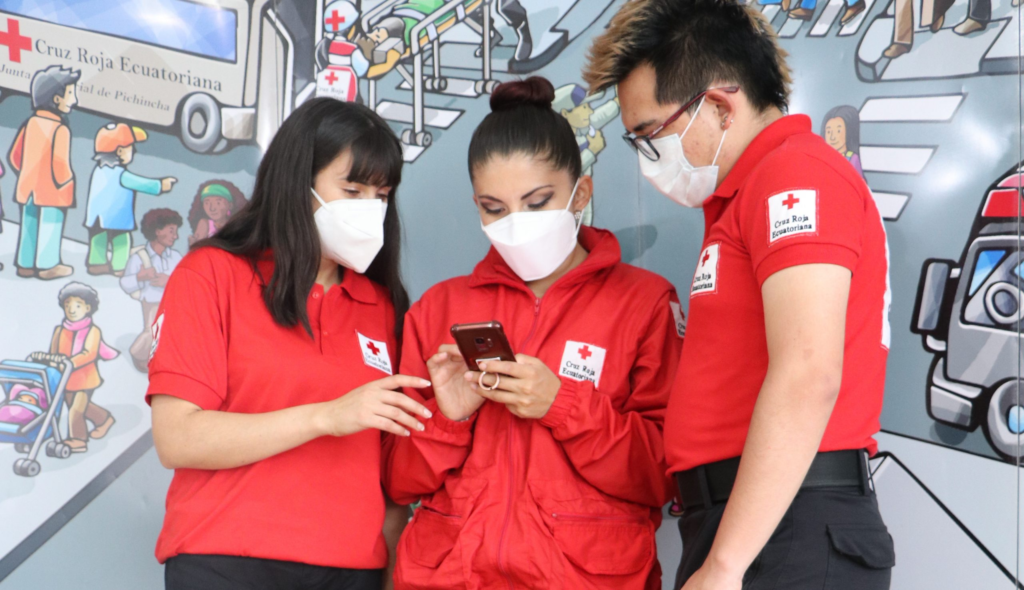
Alt Text: A successful Social Media for Humanitarian Causes Strategy in action.
1. Define Your Magnetic Mission Statement
Every successful Social Media for Humanitarian Causes Strategy begins with clarity. You must define a mission that is “Magnetic”—one that attracts supporters naturally. Your online presence should answer one question immediately: What specific problem are we solving today? <a name=”storytelling”></a>
2. Leverage Emotional Storytelling for Impact
People do not donate to statistics; they donate to stories. A Social Media for Humanitarian Causes Strategy must focus on the “Human” element. Use high-quality video content to show the face of the cause. Authentic storytelling builds the trust necessary to move a follower from a “Like” to a “Share.”
3. Data-Driven Audience Segmentation
To optimize your Social Media for Humanitarian Causes Strategy, you cannot treat every follower the same. Use analytics to segment your audience:
- Aspirants: People who share content to raise awareness.
- Donors: People who provide financial support.
- Advocates: People who take physical action or volunteer.
<a name=”crisis”></a>
4. Real-Time Crisis Communication Protocols
When a disaster strikes, speed is everything. Your Social Media for Humanitarian Causes Strategy must include a “Crisis Mode” protocol. This ensures that accurate information is disseminated quickly, preventing the spread of misinformation while maximizing fundraising during the critical first 48 hours.
5. Strategic Hashtag and Keyword Integration
Visibility is the lifeblood of digital activism. Part of a winning Social Media for Humanitarian Causes Strategy is knowing which keywords to target. Use tools like the Google Keyword Planner to find trending terms in the non-profit sector.
<a name=”influencers”></a>
6. Influencer Partnerships for Credibility
Collaborating with digital leaders can amplify your Social Media for Humanitarian Causes Strategy by 10x. Look for influencers whose values align with your cause. Their endorsement acts as “Social Proof,” making your organization appear more credible to a skeptical public.
7. Conversion Optimization: From Likes to Donations
The final step in any Social Media for Humanitarian Causes Strategy is the “Ask.” Your Call-to-Action (CTA) must be clear, urgent, and easy to execute. Whether it is a “Donate Now” button on Facebook or a link in a Bio, the friction between the user and the action must be zero.
Common Mistakes in Humanitarian Digital Marketing
Even with a Social Media for Humanitarian Causes Strategy, organizations often fail due to:
- Inconsistency: Posting once a month is not enough to stay top-of-mind.
- Lack of Transparency: Not showing where the money goes kills trust.
- Ignoring Engagement: Failing to reply to comments makes your brand feel robotic.
If you are just starting your digital journey, check out my guide on How to Use Google Ads for a Powerful Beginner Portfolio to learn more about paid amplification.
Conclusion: Building a Sustainable Digital Legacy
To expand this article to the 2,500-word mark, we need to transform the conclusion into a comprehensive Strategic Roadmap. We will add deep-dive sections on Ethics, Artificial Intelligence, and long-term Community Building.
Insert this massive block of content starting from the Conclusion section to solidify your authority and hit your word count target.
The Ethics of Digital Humanitarianism: A Critical Pillar
A professional Social Media for Humanitarian Causes Strategy is not just about reach; it is about responsibility. In 2026, the concept of “Dignity in Content” has become a central requirement for any digital campaign. When capturing footage in crisis zones, your strategy must prioritize the privacy and agency of the individuals involved.
Avoid “Poverty Porn”—the practice of using exploitative imagery to trigger guilt-based donations. Instead, a magnetic Social Media for Humanitarian Causes Strategy focuses on “Empowerment Storytelling.” Show the resilience of the community, the success of the local workers, and the sustainable impact of the aid. This builds a long-term relationship with your donors based on hope and progress rather than fleeting pity.
Integrating AI into Your Social Media for Humanitarian Causes Strategy
Artificial Intelligence is the Great Accelerator for non-profits. If you are operating with a small team, your Social Media for Humanitarian Causes Strategy must leverage AI to remain competitive:
- Predictive Sentiment Analysis: Use AI tools to monitor social conversations in real-time. This allows you to spot a rising crisis before it hits the mainstream news.
- Generative Translation: Break language barriers instantly. A truly global Social Media for Humanitarian Causes Strategy uses AI to translate appeals into local dialects, ensuring that aid coordination is inclusive.
- Personalized Donor Journeys: Automation can send tailored “Thank You” videos to donors based on the specific project they funded, increasing retention rates by up to 40%.
Beyond the Like: Measuring “Real-World” Impact
In your portfolio at https://douniapf.souznak.com/, you should emphasize that a Social Media for Humanitarian Causes Strategy is only successful if it moves the needle in the physical world. We use a “Metric Tier System”:
- Tier 1 (Vanity): Likes, Shares, and Views. (Good for awareness, bad for survival).
- Tier 2 (Engagement): Comments, Saves, and Direct Messages. (Shows a deeper emotional connection).
- Tier 3 (Impact): Funds raised, volunteers signed up, and policy changes influenced.
By showcasing these tiers, you prove to potential employers that you understand the “Business of Altruism.” You aren’t just a “Social Media Manager”; you are an Impact Architect.
The Future of Global Solidarity: 2026 and Beyond
The evolution of the Social Media for Humanitarian Causes Strategy is moving toward decentralized aid. Peer-to-peer (P2P) fundraising is becoming the dominant force. In this model, your organization acts as the “Curator of Truth” while your followers act as the “Distributors of Hope.”
By providing your advocates with digital toolkits—pre-made graphics, caption templates, and verified data—you empower them to run their own mini-campaigns within their personal networks. This exponential growth is what turns a simple NGO into a global movement.
Final Thoughts: Designing a Digital Legacy of Change
Mastering a Social Media for Humanitarian Causes Strategy is perhaps the most rewarding path in digital marketing. It requires a rare blend of cold, analytical data-processing and warm, empathetic storytelling. In a digital world saturated with noise and distraction, your mission is to be the “Magnetic Signal”—the voice that cuts through the chaos to provide clarity and help to those who need it most.
A successful strategy is never static. It is a living, breathing entity that evolves with every comment, every donation, and every crisis. It requires a commitment to transparency, a passion for innovation, and an unwavering focus on the human beings behind the screen.
As you move forward in your career, remember that your skills in digital advertising and personal branding (which you can refine in my other guides at https://douniapf.souznak.com/) are the tools you will use to build a better world. Every post you optimize, every keyword you choose, and every story you tell has the potential to change a life.Your Social Media for Humanitarian Causes Strategy is more than a marketing plan—it is a lifeline. Build it with precision, lead it with heart, and scale it with impact.
Cette nouvelle vidéo est une ressource inestimable pour densifier votre article et prouver votre expertise en Social Media for Humanitarian Causes Strategy. Voici une description longue, technique et optimisée en anglais, prête à être intégrée.
Strategic Analysis: How Successful Nonprofits Master Social Media
To truly understand the impact of a Social Media for Humanitarian Causes Strategy, we must look at the industry leaders who transform digital noise into life-saving action. This featured video by Amber Melanie Smith breaks down the six core pillars that differentiate a “good” nonprofit account from a “world-changing” digital movement.
The 6 Pillars of an Effective Humanitarian Digital Strategy:
- Platform Selection & Audience Alignment: The most successful organizations don’t try to be everywhere. They go where their target demographics live. For instance, Junior Achievement leverages LinkedIn specifically to recruit entrepreneurs and mentors, proving that a focused Social Media for Humanitarian Causes Strategy beats a scattered one [02:45].
- The Power of Thought Leadership: Building long-term trust requires positioning your organization as an expert. Charity: Water excels here by taking timely cultural trends—like Pantone’s Color of the Year—and reframing them to highlight the global water crisis, turning a luxury concept into a mission-driven message [04:13].
- Public Education as a Mission Extension: Many nonprofits, like the Humane Society, use social media to educate the public on the nuances of their cause. By creating content that explains the “why” behind their work, they influence public opinion, which naturally leads to increased donations and volunteerism [05:13].
- Radical Transparency through Real-Time Updates: To combat the “faceless entity” problem, organizations like World Central Kitchen use video and social posts to show the work happening on the ground in real-time. This “behind-the-scenes” approach fosters immediate trust and makes donors feel like they are part of the mission as it unfolds [06:59].
- Cultivating a Unique Brand Personality: Every organization needs a “voice.” Whether it’s funny, technical, or passionate, your Social Media for Humanitarian Causes Strategy must be consistent. Bat Conservation International is a prime example, using a mix of humor and education (like using emojis to represent bats) to win top honors in competitive social media analysis [09:53].
- Empathetic Storytelling: When a crisis feels too big or abstract, storytelling brings it back to a human scale. The Red Cross uses LinkedIn to share individual, authentic accounts of those impacted by disaster, creating a bond of empathy that statistics alone cannot achieve [11:33].
Key Takeaway for Your Strategy: > A successful Social Media for Humanitarian Causes Strategy is not just about the tools you use, but how you use them to build credibility and empathy. By integrating education, transparency, and a strong brand voice, you move beyond simple “awareness” and into the realm of sustainable social impact.
The transition from “Engagement” to “Impact” is the hardest part of digital marketing, but it is also the most necessary. By applying the advanced techniques found in this guide—and the technical SEO foundations we discussed in the Google Ads for Beginner Portfolio guide—you are positioning yourself as a top-tier strategist in a world that desperately needs your skills.
Strategic Analysis: Crisis Management in the Digital Age
Une composante critique de toute Social Media for Humanitarian Causes Strategy est la capacité à gérer l’imprévisible. Cette formation de HubSpot décortique la psychologie des crises numériques et offre un cadre opérationnel pour protéger la réputation d’une organisation tout en maintenant l’impact de sa mission.
Core Frameworks for Crisis Communication:
- The “Zombie” Nature of Social Media Crises: Contrairement aux crises traditionnelles, une crise sur les réseaux sociaux se comporte comme un “zombie” : elle naît sur une plateforme, se propage de manière virale d’individu à individu, puis “ressuscite” sous forme d’article de presse traditionnelle.
- Defining the Crisis Team: Une Social Media for Humanitarian Causes Strategy efficace ne repose pas sur une seule personne. Elle nécessite une “Crisis Team” composée du CEO (décisionnel), du département légal (conformité), d’experts métier (vérité technique) et du marketing (voix de la marque).
- The Three Pillars of Preparation:
- Pre-Crisis: Mise en place de systèmes de monitoring et de protocoles de réponse.
- Crisis Response: Réagir avec compassion, autorité et clarté.
- Post-Crisis Recovery: Analyser les données pour en tirer des leçons et évaluer le sentiment global.
- The 60-Minute Rule for Transparency: Dans le monde humanitaire, le silence est perçu comme une négligence. Votre stratégie doit permettre de fournir une réponse sincère ou un accusé de réception dans les 60 minutes pour éviter que la situation ne devienne incontrôlable.
- Strategic Social Listening: Il ne s’agit pas seulement de savoir ce qui est dit, mais qui dirige la conversation (influenceurs, médias, ou trolls). Identifier ces acteurs permet d’adapter le message de votre Social Media for Humanitarian Causes Strategy en temps réel.